
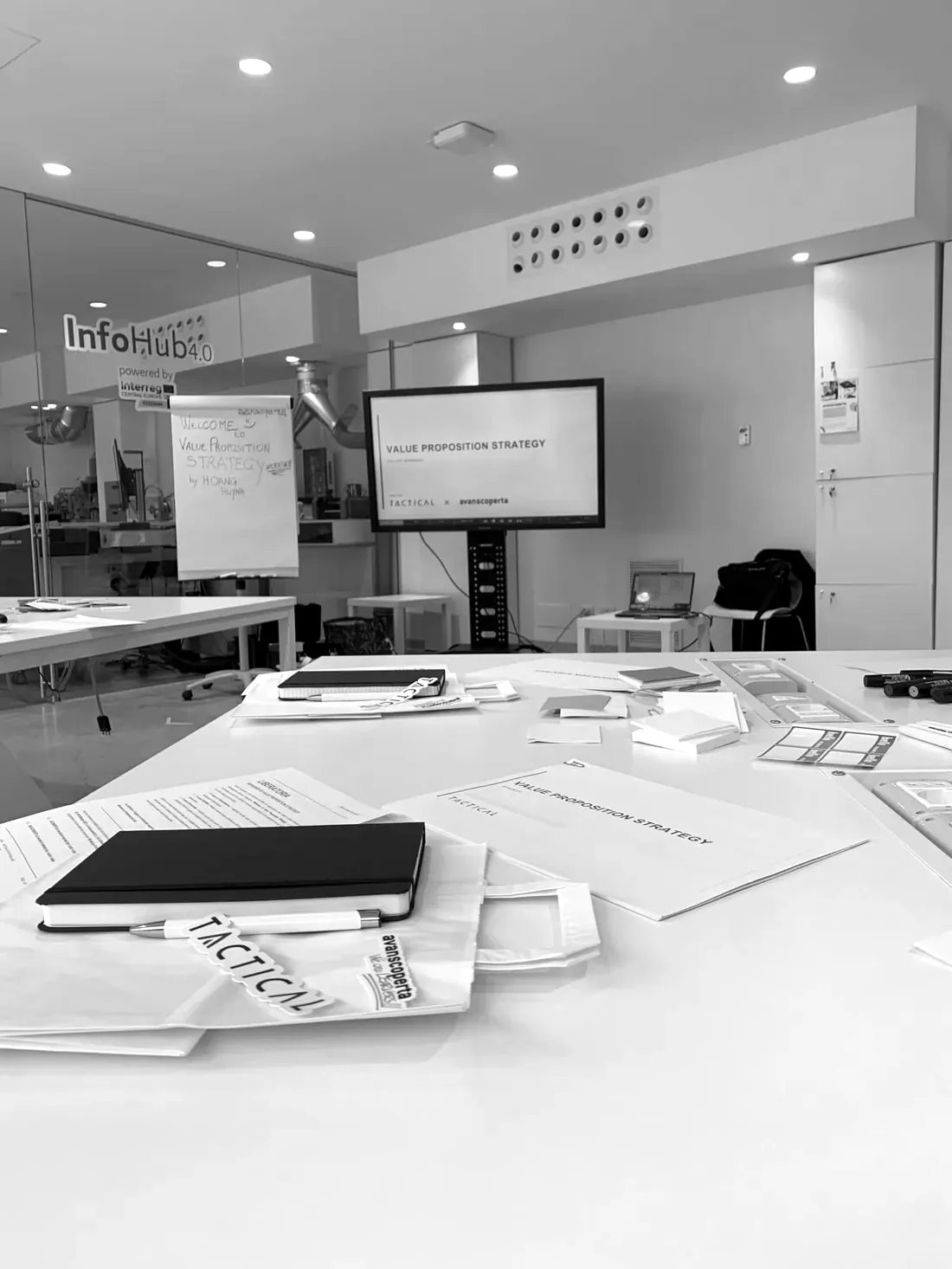
 No. 103Value to MarketMost companies invert the attention, with three distracted meetings on the foundations and six months of care on the banners.September 10, 2026
The 6% rule: what Meta's Metaverse teaches about upstream budget
A healthy project spends 6% of its budget on the Value to Market strategy, upstream. Meta's Metaverse bet shows what happens when the downstream bill runs ahead of the value question.
The 6% rule: what Meta's Metaverse teaches about upstream budget
01 / 4 min read
Written by a human · AI translated
In 2021 the company behind Facebook rebranded as Meta and rebuilt its story around the Metaverse. The company that had grown a community into a social platform, then bought Instagram and WhatsApp to defend attention, bet its identity on a computing paradigm. The bill came through Reality Labs, which our notes record losing on the order of fifteen to eighteen billion dollars a year against thin usage. By mid-2026 the most visible correction was a different object altogether: AI smart glasses, from the Ray-Ban line to a lower-priced Meta line starting around 299 dollars in June 2026, which turned into a real hit. In the same year Meta pivoted hard into superintelligence and replaced the open-weight Llama with a closed model, Muse Spark. These are recent events and the story is still moving, so read them as a photograph dated June 2026.
We have no view into Meta’s planning documents, and this is no verdict on its engineers. What interests us is the shape of the spend. Billions a year went downstream into building a world, while the question of who would live there, and why, got its answer from the market after the money was out. Hoang Huynh’s method has a name for the discipline that asks that question first.
The shortest path to value
Value to Market is the process of identifying and implementing the shortest path to value: immediate value, minimal delays, the smartest wins available at any given time. It sits between two things people often confuse with it. The value proposition is the strategy of the promise, the go-to-market is the mechanics of the launch, and Value to Market is the path that carries the designed value into what the market actually perceives. A company can have an excellent proposition and an impeccable launch and still fail if the value disperses somewhere in between.
Then comes the number nobody expects. A healthy project allocates 6% of its total budget to the Value to Market strategy, and spends it upstream, where every euro conditions all the others. According to the book, the near-totality of failed projects had spent zero on one question: what value are we bringing, to whom, and how will they perceive it?
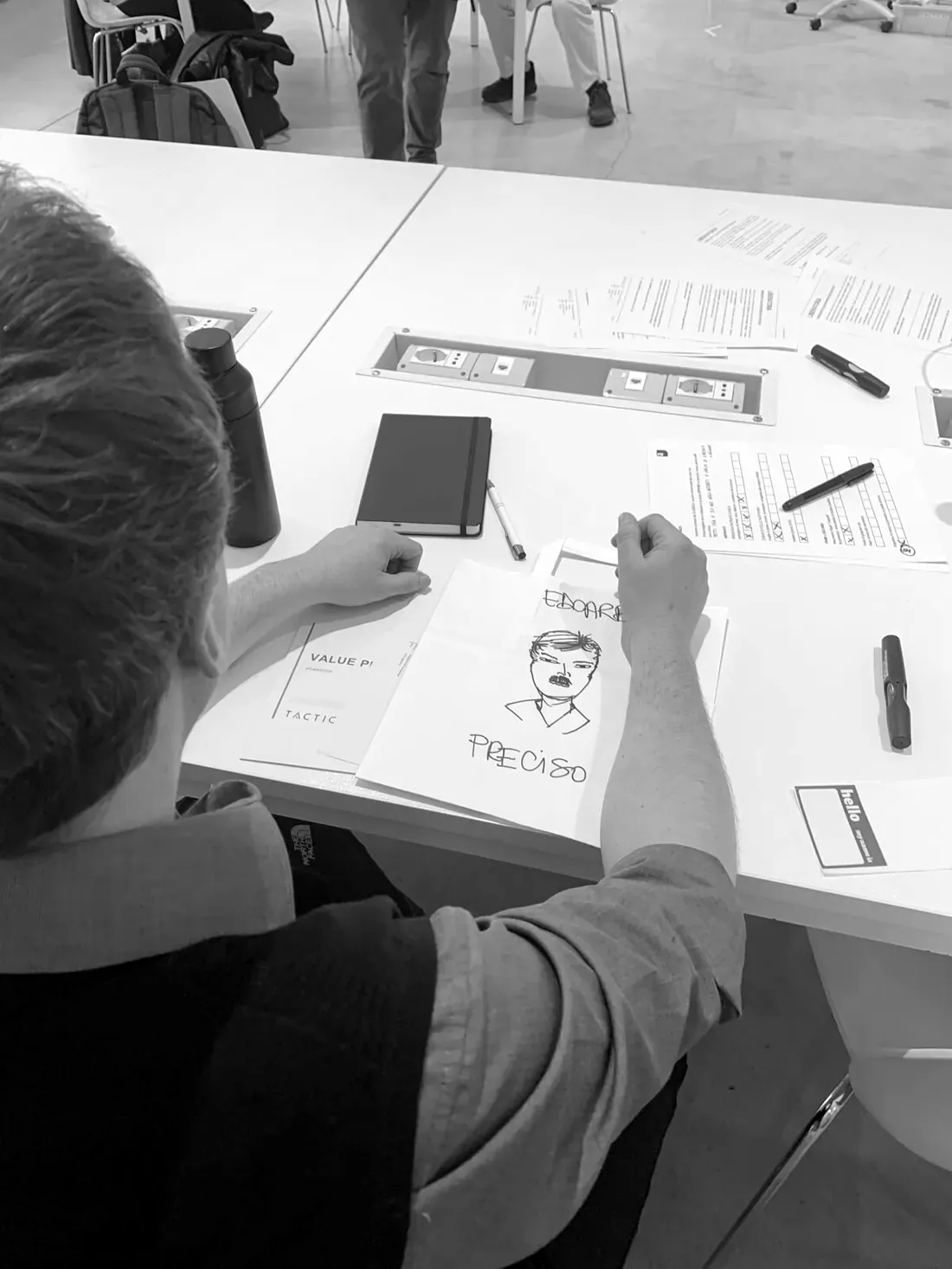
What the 6% buys
The 6% pays for three phases, in this order. Value Proposition Design is short and cheap and carries most of the irreversible decisions: the assets on the table, the values extracted from them, the audiences chosen, the premise, promise and proofs assembled in the formula. It ends when the leadership signs the values page and the premise. Value Proposition Strategy reads the market around that proposition (category, channels, USP, the rung on the Promise Ladder, the roadmap for how values evolve) and produces a strategy document that stays the source of truth for three years. Value Proposition Engineering translates all of it into specs for the people who execute: channel briefs, proof specifications, the measurement plan, the onboarding kit.
The proportions always surprise clients. The first phase is short and holds eighty percent of the decisions. The last is long and almost entirely derived work. Most companies invert the attention, with three distracted meetings on the foundations and six months of care on the banners, which the book calls the most accurate way to perfectly execute the wrong strategy. Perception also has inertia: three days to set up with an aligned team, twelve weeks to design and equip, six months before the system shows effects.
Reading Meta through the rule
Meta’s own case file in the vault reads the Metaverse as a move ahead of the market’s tempo: internally coherent, launched before the market, the technology or the economics were ready. Sustained losses with low usage are the expected symptom, and being early looks exactly like being wrong until the tempo turns. The correction tells the same story from the other side. The glasses are a Product that echoes the camera-and-social core Meta already owned, and our notes describe them as a real hit.
Seen from the outside, that is the order the 6% is meant to enforce. Assets come first, then positioning, then the story, and the question “who perceives this as valuable, and why” gets answered while answering it is still cheap. When the order flips, the market answers it for you, and it charges full price.
The lesson for a company without Meta’s balance sheet is sharper still. Very few businesses can afford to lose a downstream bet and correct course a few years later. Spend the 6% first, sign the values page before the build starts, and let the expensive phases execute decisions that have already been made.
If you want the upstream work done before the budget goes downstream, see what we do, or train your team to run the method in-house.
02 / Read next
GoPro built the action camera, then watched its crown become a standard
GoPro created and named a category, held about 75% of it, and fell to about 6% in three years. A Category King case on why the throne comes without tenure.
Category design · Autopsy · In the news
Read articleLabubu: Pop Mart made the rare thing easy to get, and the value left
Pop Mart scaled Labubu production a hundredfold and watched resale prices halve. A case on scarcity as the product, and why adding supply can destroy the value it was meant to serve.
Pricing and scarcity · Autopsy · Core values · In the news
Read articleBud Light in 2023: one sponsored post, two audiences and an undeclared premise
In April 2023 a single Instagram partnership set off a boycott of Bud Light, which lost its place as America's best-selling beer within weeks. A case on premise, channel spillover and why a response that tries to please every audience can lose all of them.
Positioning · Channels · Autopsy · In the news
Read article